
Safety in the Chemical Industry: Protecting People, Processes & the Planet
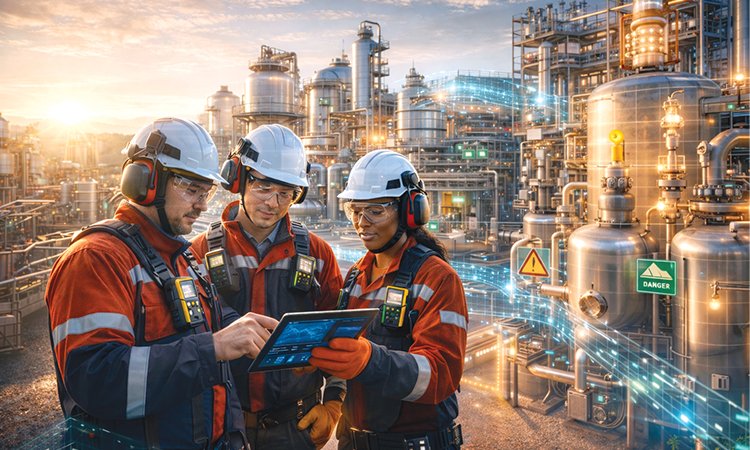
The chemical industry sits at the very heart of modern civilisation. From fertilizers that sustain agriculture and pharmaceuticals that save lives, to polymers, fuels, coatings and specialty chemicals that power every industrial sector, chemicals shape almost every aspect of daily life. Yet, behind this enormous contribution lies a sector where risk is always present. Hazardous raw materials, high temperatures and pressures, reactive compounds, toxic gases, and complex processes make chemical manufacturing one of the most safety-critical industries in the world.
A single lapse—whether in design, operation, maintenance or human behaviour—can trigger catastrophic consequences, as history has shown through accidents that have claimed lives, destroyed assets, polluted ecosystems and damaged corporate reputations. Safety in the chemical industry is therefore not a regulatory formality; it is a moral, operational and strategic imperative.
Modern chemical safety goes far beyond protective gear and emergency drills. It is an integrated system that spans plant design, process engineering, digital monitoring, employee training, leadership culture, supply chain control and regulatory compliance. In today’s competitive and sustainability-driven environment, companies that place safety at the centre of their operations not only protect people and the environment but also gain operational resilience, customer trust and long-term profitability.
Understanding the Unique Risks of Chemical Operations
Unlike many other industries, chemical manufacturing involves substances that can be flammable, explosive, corrosive, toxic or environmentally damaging. Many chemicals are stable under controlled conditions but can become highly dangerous if exposed to heat, pressure, moisture or contaminants.
Some of the major hazards include:
• Fire and explosion risks from flammable solvents, gases and dusts
• Toxic exposure to vapours, liquids or powders
• Corrosive damage to equipment, leading to leaks and failures
• Runaway reactions that generate uncontrollable heat and pressure
• Environmental contamination of air, water and soil
The complexity of chemical processes adds another layer of risk. Continuous production lines, interconnected units, and automated systems mean that a small deviation in one parameter can cascade into a major incident. This makes systematic hazard identification and risk management essential.
Process Safety – The Backbone of Chemical Industry Protection
Process safety is the discipline that prevents major accidents involving hazardous substances. While occupational safety focuses on preventing injuries to individuals, process safety is concerned with preventing fires, explosions and toxic releases that can affect entire plants and surrounding communities.
Key elements of process safety include:
• Hazard and Operability (HAZOP) studies to identify risks during design and operation
• Layer of Protection Analysis (LOPA) to ensure multiple safety barriers are in place
• Safety Instrumented Systems (SIS) that automatically shut down processes when unsafe conditions arise
• Pressure relief devices and containment systems to prevent vessel ruptures
•Emergency venting and gas detection systems
Modern chemical plants are designed with multiple independent layers of protection so that even if one system fails, others prevent escalation. This philosophy of “defence in depth” is what separates safe operations from disasters.
The Role of Engineering and Plant Design in Safety
Safety begins long before the first batch is produced. It is embedded in the way a chemical plant is designed and constructed. Engineers must consider not only efficiency and output but also worst-case scenarios.
Key design principles include:
• Inherently safer design, which aims to eliminate or reduce hazards rather than control them. This includes using less hazardous chemicals, lower pressures and smaller inventories wherever possible.
• Segregation of hazardous areas, ensuring that storage, processing and control rooms are physically separated.
• Proper ventilation and drainage systems to prevent accumulation of dangerous vapours or liquids.
• Fire-resistant construction and blast-proof structures in critical zones.
Modern computational tools now allow engineers to simulate explosions, gas leaks and fire scenarios, helping to optimise layouts and emergency response strategies before a plant is even built.
Human Factors – The Most Critical Safety Element
Despite automation and digitalisation, people remain at the centre of chemical operations. Operators, maintenance staff, engineers and supervisors interact daily with complex systems, and their decisions can either reinforce safety or compromise it.
Human error is often not a result of negligence but of:
• Poorly designed interfaces
• Inadequate training
• Fatigue and workload pressure
• Ambiguous procedures
• Weak safety culture
To address this, leading chemical companies invest heavily in:
• Structured training programs for operators and technicians
• Competency certification and refresher courses
• Clear standard operating procedures (SOPs)
• Shift handover protocols
• Behaviour-based safety programs
When employees are encouraged to report near-misses and unsafe conditions without fear of punishment, organisations can correct problems before accidents occur.
Digitalisation & Smart Safety Systems
The chemical industry is rapidly embracing Industry 4.0 technologies, and safety is one of the biggest beneficiaries. Smart sensors, data analytics and artificial intelligence now enable real-time monitoring of thousands of parameters across a plant.
Modern safety systems include:
• Gas and flame detectors connected to central control systems
• Predictive maintenance tools that identify equipment failure before it happens
• Digital twins that simulate plant behaviour under different conditions
• AI-driven anomaly detection that flags deviations from normal operation
These technologies allow operators to move from reactive to predictive safety, reducing both the likelihood and severity of incidents.
Emergency Preparedness and Disaster Management
Even in the best-designed plants, emergencies can occur. What separates a controlled incident from a catastrophe is how well a company is prepared.
Effective emergency preparedness includes:
• On-site emergency response teams trained in firefighting, spill control and first aid
• Clearly defined evacuation routes and assembly points
• Coordination with local authorities and hospitals
• Regular mock drills and simulations
• Communication systems for employees and surrounding communities
Chemical plants are often located near populated areas, making community safety a crucial responsibility. Transparent communication and well-rehearsed response plans help protect lives and build public trust.
Regulatory Frameworks and Compliance
The chemical industry is one of the most heavily regulated sectors in the world. In India, safety is governed by a combination of laws and standards, including the Factories Act, Environment Protection Act, Chemical Accidents Rules, and various BIS and international standards.
Globally, frameworks such as:
• OSHA Process Safety Management (PSM)
• EU Seveso Directives
• ISO 45001 for occupational health and safety
• Responsible Care® initiatives
• guide companies in implementing best practices.
Compliance is not merely about avoiding penalties; it provides a structured roadmap for building robust safety systems.
Safety, Sustainability and ESG
Today, safety is no longer viewed in isolation. It is deeply connected to sustainability and Environmental, Social and Governance (ESG) goals. A major chemical accident can cause long-term environmental damage, disrupt communities and destroy shareholder value.
Investors, customers and regulators increasingly evaluate chemical companies based on:
• Accident rates
• Environmental releases
• Worker health and wellbeing
• Transparency in reporting
A strong safety record is now a competitive advantage, enabling companies to attract investment, talent and customers.
Building a Safety-First Culture
Ultimately, the most powerful safety system is culture. When safety becomes a core value rather than a compliance requirement, employees take ownership of protecting themselves and others.
This culture is built through:
• Visible commitment from top leadership
• Continuous communication and training
• Recognition of safe behaviour
• Learning from incidents rather than hiding them
In a safety-first organisation, every employee, from the plant manager to the newest operator, feels responsible for preventing accidents.
Conclusion – Safety as the Foundation of Chemical Industry Excellence
The chemical industry will continue to play a vital role in global development, but its future depends on how well it manages risk. Safety is not a cost or a constraint—it is the foundation of operational excellence, sustainability and public trust.
By combining robust engineering, advanced technology, skilled people and a strong safety culture, chemical companies can ensure that their plants remain places of innovation rather than sites of tragedy. In doing so, they protect not only their workforce and communities, but also the very future of industrial progress.