

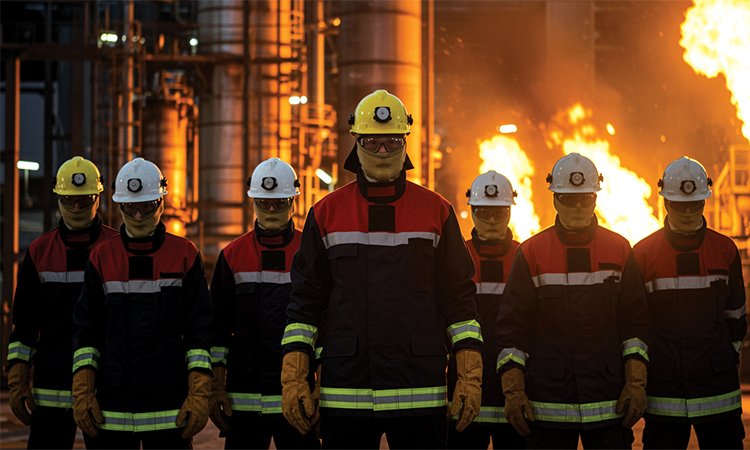
Advances in materials, design, and smart technologies are transforming protective workwear into highly engineered safety solutions for workers operating in high-risk environments.
The Growing Importance of Protective Workwear
In industries such as oil & gas, petrochemicals, power generation, manufacturing, firefighting, and heavy engineering, workplace safety is a critical priority. Among the many protective measures adopted by organizations, workwear and fire-resistant (FR) uniforms play a vital role in safeguarding personnel from hazards such as heat, flames, molten metal splashes, and electrical arc flashes. Traditional protective clothing offered basic protection but often compromised on comfort, flexibility, and durability.
However, with the evolution of industrial safety standards and the rising emphasis on worker welfare, innovations in workwear and fire-resistant uniforms have transformed them into technologically advanced garments designed for both protection and performance. Modern workwear today integrates advanced textiles, ergonomic design, and smart technologies that enhance safety while ensuring comfort and productivity for workers.
Advanced Fire-Resistant Fabrics
One of the most significant innovations in protective workwear lies in the development of advanced fire-resistant fabrics. Earlier, many FR garments relied on chemically treated cotton fabrics to provide flame resistance. While effective to a certain extent, these treatments could wear off after repeated washing and exposure to harsh environments. Today, manufacturers are increasingly using inherently flame-resistant fibers that retain their protective properties throughout the life of the garment.
Materials such as aramid fibers, modacrylic blends, and high-performance synthetic fabrics provide superior resistance to flames and extreme heat. These fabrics do not melt or drip when exposed to fire, reducing the risk of severe burns. Additionally, they are engineered to provide thermal insulation, allowing workers a crucial margin of time to escape hazardous situations.
Multi-Hazard Protection
Modern workwear is designed to protect against multiple workplace hazards simultaneously. In many industries, workers face not only fire risks but also exposure to chemicals, electrical arc flashes, static electricity, and mechanical hazards. Innovative FR uniforms now incorporate multi-hazard protection capabilities. For example, garments designed for electrical utilities often combine flame resistance with arc flash protection. Similarly, workers in petrochemical plants may require anti-static properties to prevent ignition from electrostatic discharge.
Manufacturers are developing fabric blends that provide a combination of flame resistance, chemical resistance, and anti-static properties without compromising comfort or mobility. This multi-layered protection is becoming essential in modern industrial workplaces.
Lightweight and Breathable Designs
One of the major challenges with traditional protective clothing was discomfort caused by heavy fabrics and poor ventilation. Workers operating in hot environments often found FR garments restrictive and uncomfortable, which could lead to fatigue and reduced productivity. Recent innovations focus on lightweight and breathable materials that allow better air circulation while maintaining protective performance.
Advanced fabric engineering techniques enable moisture-wicking properties that keep the wearer dry by drawing sweat away from the skin. Some garments incorporate mesh ventilation panels or specially designed airflow channels to improve cooling. These features are particularly valuable for workers in tropical climates or high-temperature industrial environments. The emphasis on comfort ensures that workers are more likely to wear protective clothing consistently, thereby improving overall safety compliance.
Ergonomic and Functional Design
Protective workwear today is not just about fabric technology; design innovation also plays a crucial role. Modern FR uniforms are engineered with ergonomics in mind to ensure freedom of movement and ease of use.Garments now feature articulated sleeves, stretch panels, and adjustable fittings that allow workers to move freely while performing physically demanding tasks. Reinforced stitching and abrasion-resistant panels enhance durability in high-wear areas such as knees, elbows, and shoulders.
Functional elements such as strategically placed pockets, tool loops, and reflective strips improve usability and visibility in low-light environments. Reflective materials are particularly important for workers operating near heavy machinery or in night-time conditions.These design improvements ensure that safety clothing complements the worker’s tasks rather than hindering them.
Smart and Connected Workwear
The integration of smart technologies into protective clothing represents one of the most exciting innovations in workwear. Smart workwear incorporates sensors and communication devices that can monitor environmental conditions and worker health in real time. For example, some advanced garments include temperature sensors that can alert workers if they are approaching dangerous heat levels. Gas detection sensors integrated into clothing can warn workers of hazardous gases in confined spaces. Wearable technology can also monitor vital signs such as heart rate and body temperature, helping organizations detect fatigue or heat stress among workers. In hazardous industries, such data can be transmitted to centralized monitoring systems, allowing supervisors to respond quickly to potential safety risks. Additionally, GPS-enabled workwear can help track workers in large industrial sites or remote locations, enhancing emergency response capabilities.
Sustainability in Protective Workwear
As industries increasingly prioritize environmental responsibility, sustainability is becoming an important aspect of workwear innovation. Manufacturers are developing eco-friendly fabrics and production processes that reduce environmental impact while maintaining high safety standards. Recycled fibers, biodegradable materials, and water-efficient dyeing techniques are gaining popularity in the production of workwear. Some companies are also focusing on designing garments with longer lifespans to reduce waste and resource consumption. Durability is a key element of sustainable workwear. High-quality protective clothing that lasts longer reduces the need for frequent replacement, thereby minimizing environmental footprint.
Specialized Workwear for Emerging Industries
As industrial sectors evolve, the demand for specialized protective clothing continues to grow. Emerging sectors such as renewable energy, battery manufacturing, and electric vehicle production present unique safety challenges. For instance, workers handling lithium-ion batteries may require garments that provide protection against thermal runaway events and electrical hazards. Similarly, technicians working in solar farms and wind turbines require FR clothing designed for outdoor conditions and electrical safety. Firefighters and emergency responders are also benefiting from innovations in turnout gear that combine heat resistance with improved mobility and reduced weight. These specialized solutions demonstrate how protective workwear is adapting to the changing needs of modern industries.
Compliance with Global Safety Standards
Workwear and FR uniforms must meet stringent safety standards to ensure reliable protection. International standards such as ISO, NFPA, and EN regulations define performance requirements for flame resistance, heat protection, and arc flash safety. Manufacturers invest heavily in research, testing, and certification to ensure that garments comply with these standards. Rigorous testing procedures simulate real-world fire and heat exposure scenarios to evaluate fabric performance. Compliance not only ensures worker safety but also helps organizations meet regulatory requirements and industry best practices.
The Road Ahead
The future of workwear and fire-resistant uniforms will likely see further advancements in material science and wearable technology. Researchers are exploring new textile technologies such as nanofiber coatings and phase-change materials that can enhance thermal protection and temperature regulation. Smart textiles capable of self-healing or adapting to environmental conditions may also emerge in the coming years. Integration with digital safety platforms will enable organizations to monitor worker safety more effectively and respond proactively to hazards. As industries continue to evolve, protective clothing will play an increasingly important role in safeguarding workers and enhancing operational safety.
Conclusion
Innovations in workwear and fire-resistant uniforms are redefining how industries approach worker safety. Advanced fabrics, ergonomic designs, smart technologies, and sustainable materials are transforming protective garments into sophisticated safety solutions. These innovations not only protect workers from fire and heat hazards but also improve comfort, mobility, and productivity in demanding environments.
As safety standards continue to evolve and new industrial challenges emerge, the development of high-performance protective workwear will remain a critical priority. Ultimately, the goal of these advancements is clear: to create a safer workplace where workers can perform their duties with confidence, knowing that the garments they wear provide reliable protection against some of the most dangerous hazards in modern industry.