

In the rapidly evolving landscape of industrial growth, workplace safety has transitioned from being a regulatory requirement to a strategic imperative. As industries embrace automation, digitalisation, and high-speed production, the complexity of risks has increased manifold. Ensuring the safety and well-being of employees is no longer just a moral obligation-it is a critical determinant of operational excellence, brand reputation, and long-term sustainability.
Human Cost and Business Consequences
At its core, workplace safety is about protecting human life and health. Every year, millions of workers across the globe are affected by occupational hazards, ranging from minor injuries to life-altering incidents. In a country like India, where manufacturing, construction, and heavy engineering sectors are expanding rapidly, the stakes are even higher. Unsafe practices not only lead to human suffering but also result in production losses, legal liabilities, and reputational damage for organisations.
Beyond Compliance: Building a Safety Culture
One of the fundamental drivers behind the growing emphasis on safety is the evolving regulatory environment. Governments and statutory bodies have tightened compliance norms, making it mandatory for organisations to adopt robust safety measures. However, compliance alone is not enough. Forward-looking organisations are going beyond statutory requirements to build a culture of safety that permeates every level of the workforce. This shift from “compliance-driven safety” to “culture-driven safety” is what differentiates industry leaders from the rest.
Leadership Commitment as a Catalyst
A strong safety culture begins with leadership commitment. When top management prioritises safety, it sends a clear message across the organisation. Investments in safety infrastructure, regular audits, and transparent reporting mechanisms are indicative of this commitment. More importantly, leaders must foster an environment where employees feel empowered to report hazards without fear of reprisal. Those on the shop floor are often the first to identify potential risks, making their participation crucial.
Training, Awareness and Skill Readiness
With the introduction of advanced machinery and complex processes, the margin for human error has reduced significantly. Regular training programmes, safety drills, and skill development initiatives ensure that employees are well-equipped to handle both routine operations and emergency situations. The integration of digital tools such as virtual reality for safety training is further enhancing preparedness by simulating real-world scenarios in a controlled environment.
Technology as an Enabler of Safer Workplaces
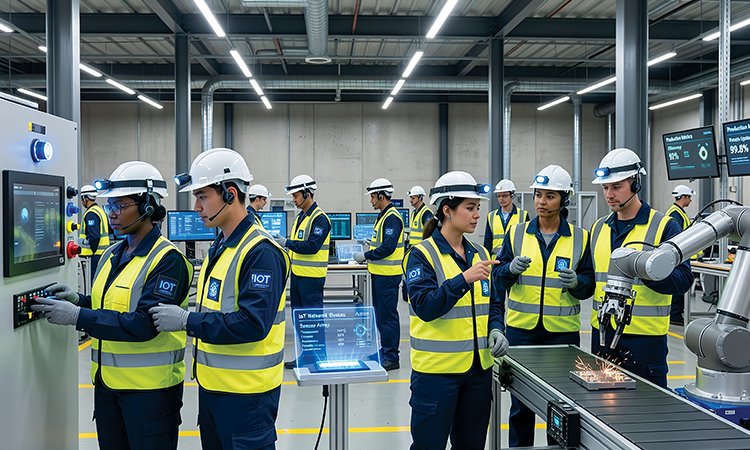
Technology is playing a transformative role in workplace safety. The adoption of Industrial Internet of Things (IIoT), artificial intelligence, and predictive analytics is enabling organisations to move from reactive to proactive safety management. Smart sensors can monitor environmental conditions such as temperature, gas levels, and noise in real time, while wearable devices can track worker fatigue and exposure to hazardous conditions. Predictive maintenance systems help identify equipment failures before they occur, preventing accidents and downtime.
The Critical Role of Personal Protective Equipment
Personal protective equipment (PPE) remains the last line of defence in workplace safety. From helmets and gloves to advanced respiratory systems, PPE has evolved significantly to offer better protection and comfort. However, its effectiveness depends on proper usage, maintenance, and compliance. Organisations must ensure that employees are equipped with high-quality PPE and trained in its correct use.
Safety as a Business Enabler
The economic rationale for investing in workplace safety is compelling. Accidents and injuries can lead to significant financial losses due to medical expenses, compensation claims, and production disruptions. A poor safety record can also deter investors and customers. Conversely, organisations with strong safety practices often experience higher employee morale, improved productivity, and reduced absenteeism. Safety, therefore, is not a cost centre-it is a value creator.
Expanding the Scope: Mental Health and Well-being
In recent years, workplace safety has expanded to include mental health and well-being. Stress, burnout, and psychological hazards are increasingly being recognised as critical factors affecting employee performance and safety. A holistic approach must address both physical and mental well-being, fostering a supportive and inclusive work environment.
Collaboration and Knowledge Sharing
The role of collaboration in advancing workplace safety cannot be overlooked. Industry forums, expos, and summits provide valuable platforms for stakeholders to exchange ideas, showcase innovations, and discuss best practices. These initiatives contribute to building a robust safety ecosystem driven by collective learning and continuous improvement.
The Road Ahead
The future of workplace safety will be shaped by innovation, data-driven decision-making, and a deeper integration of safety into business strategy. As industries strive for efficiency and competitiveness, safeguarding human capital will remain paramount. Organisations that embed safety into their core values will be better positioned to navigate the challenges of the modern industrial era.
Conclusion: Safety as a Core Value
Workplace safety is not just an operational necessity; it is a reflection of an organisation’s ethos and commitment to its people. By prioritising safety, businesses protect their workforce, enhance productivity, and build resilience. In an age where human capital is the most valuable asset, ensuring its safety is not optional-it is imperative.