

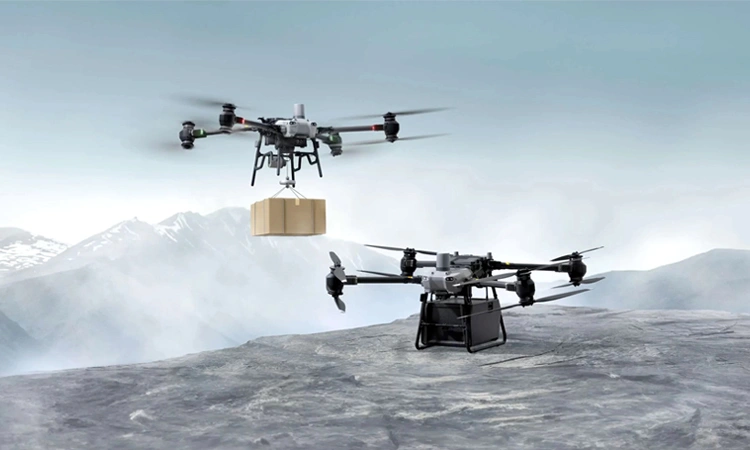
The global cargo drones market is rapidly emerging as a transformative force in aerospace and defense logistics, reshaping how goods, medical supplies, and military payloads are transported. According to industry insights, the market was valued at USD 1,530.35 million in 2024 and is forecast to reach USD 28,511.96 million by 2034, expanding at an impressive CAGR of 34.0% during the forecast period. This extraordinary growth trajectory reflects rising adoption of autonomous aerial logistics, increasing demand for rapid delivery solutions, and major advancements in drone propulsion, artificial intelligence, and autonomous flight systems.
Autonomous Cargo Drones Are Redefining Aerospace Logistics Efficiency
Cargo drones, also known as unmanned aerial cargo vehicles, are engineered to transport goods autonomously across short, mid, and long distances. Their ability to bypass ground congestion, reduce delivery times, and optimize operational efficiency is revolutionizing modern aerospace logistics networks. Unlike conventional freight transportation, cargo drones offer enhanced scalability, cost savings, and operational flexibility, especially in remote or inaccessible regions.
In aerospace and defense sectors, cargo drones play a critical role in mission-critical supply chains, supporting tactical resupply operations, emergency medical transport, and equipment deployment in challenging terrains. These advanced unmanned systems improve logistical responsiveness while reducing personnel risk and operational costs, making them indispensable tools for modern military operations.
Technological innovations such as hybrid propulsion systems, electric vertical takeoff and landing (eVTOL) configurations, and AI-driven navigation are further expanding drone capabilities. For instance, advanced cargo drones can carry payloads exceeding 300 pounds and travel distances up to 300 miles, demonstrating their suitability for large-scale commercial and defense logistics applications.
Aerospace and Defense Applications Driving Market Momentum
The aerospace and defense industry is among the fastest-growing adopters of cargo drone technology. Military organizations worldwide are integrating autonomous cargo drones into operational strategies to enhance supply chain resilience, battlefield logistics, and surveillance support.
- Cargo drones offer significant advantages in defense logistics, including:
- Rapid delivery of ammunition, fuel, and medical supplies to frontline units
- Reduced dependency on traditional aircraft and ground transportation
- Enhanced operational efficiency in remote or hostile environments
- Improved mission flexibility and logistical precision
Additionally, cargo drones are being used for humanitarian missions, disaster relief, and search-and-rescue operations, enabling rapid deployment of essential supplies in emergency situations.
The integration of autonomous flight systems with secure communication networks and AI-powered route optimization ensures precise and efficient cargo delivery, further strengthening their role in aerospace logistics infrastructure.
E-Commerce and Commercial Aerospace Driving Massive Demand
The explosive growth of global e-commerce is a key catalyst accelerating cargo drone adoption. With rising consumer expectations for same-day and instant delivery, logistics providers are investing heavily in autonomous aerial delivery platforms. Cargo drones provide a scalable and efficient solution to address increasing parcel volumes and last-mile delivery challenges.
Retail remains the dominant industry segment, driven by increasing adoption of drone delivery systems by major logistics providers and e-commerce companies. These drones significantly enhance supply chain efficiency by reducing delivery times and operational costs while enabling access to underserved regions.
In commercial aerospace logistics, cargo drones are being deployed to connect urban and regional logistics hubs, streamline freight movement, and optimize transportation networks. Mid-range cargo drones, capable of covering distances between 150 and 650 kilometers, currently account for the largest market share due to their ability to support city-to-city logistics operations efficiently.
North America Leads Global Cargo Drone Innovation
North America dominates the cargo drones market, driven by advanced aerospace infrastructure, early adoption of unmanned systems, and strong regulatory support for drone integration. The presence of major aerospace and logistics innovators has accelerated commercial deployment and technological development across the region.
Government initiatives and favorable regulatory frameworks have enabled extensive drone testing, pilot programs, and commercial deployment across defense and logistics sectors. This supportive ecosystem has positioned North America as a global leader in cargo drone innovation and commercialization.
Europe is also witnessing strong growth, supported by aerospace investments, defense modernization programs, and cross-border logistics integration. Meanwhile, Asia-Pacific is emerging as a key growth region, driven by expanding e-commerce ecosystems, defense modernization initiatives, and rapid adoption of autonomous logistics technologies.
Key Aerospace and Defense Companies Driving Market Innovation
The cargo drones market features a highly competitive landscape, with aerospace manufacturers, logistics providers, and defense technology companies investing heavily in autonomous cargo solutions. Leading companies include:
- Amazon.com, Inc.
- Alphabet Inc.
- Zipline International Inc.
- DJI
- Matternet, Inc.
- DHL Express
These companies are developing advanced cargo drone platforms with enhanced payload capacity, longer flight range, and autonomous navigation capabilities. Strategic partnerships, regulatory approvals, and pilot deployments are accelerating commercialization and scaling of drone logistics operations globally.
For example, drone-powered logistics systems have demonstrated dramatic efficiency improvements, reducing delivery times from 40 minutes to just 8 minutes in certain logistics routes, highlighting their operational superiority over conventional transportation methods.
Technological Advancements Unlocking Future Aerospace Logistics Potential
Rapid advancements in aerospace engineering, battery technology, and AI are enabling the next generation of cargo drones to achieve unprecedented performance levels. Key technological trends driving market growth include:
- Hybrid propulsion systems for extended flight endurance
- Autonomous flight navigation using AI and machine learning
- Increased payload capacity and operational scalability
- Integration with aerospace logistics management platforms
- Improved energy efficiency and sustainability
These innovations are enabling cargo drones to support large-scale aerospace operations, including commercial freight transport, military logistics, and regional supply chain networks.
Additionally, investments in drone traffic management systems and regulatory frameworks are facilitating safe integration of cargo drones into national airspace systems, accelerating widespread adoption across aerospace and defense sectors.
Strategic Aerospace Investments and Future Market Outlook
The future of the cargo drones market is closely tied to ongoing aerospace innovation, defense modernization, and autonomous logistics integration. Aerospace companies and defense agencies are investing heavily in drone technology to enhance operational efficiency, reduce costs, and improve supply chain resilience. Strategic initiatives such as autonomous cargo aircraft procurement, drone logistics partnerships, and infrastructure development are accelerating market expansion. For example, recent agreements involving autonomous cargo aircraft procurement valued at over USD 134 million highlight growing industry confidence in drone-based logistics solutions.
As aerospace and defense industries continue to embrace automation, cargo drones are expected to play a central role in transforming global logistics networks.
Conclusion: Cargo Drones Are Transforming the Future of Aerospace and Defense Logistics
Cargo drones represent one of the most disruptive innovations in aerospace logistics, offering unmatched efficiency, scalability, and operational flexibility. With rapid technological advancements, increasing defense adoption, and expanding commercial applications, cargo drones are poised to redefine how goods and supplies are transported globally.
The market’s projected growth to USD 28.5 billion by 2034 underscores the enormous potential of autonomous aerial logistics systems. As aerospace and defense organizations continue investing in next-generation drone technologies, cargo drones will become a foundational component of modern logistics infrastructure, enabling faster, safer, and more efficient cargo transportation worldwide.