

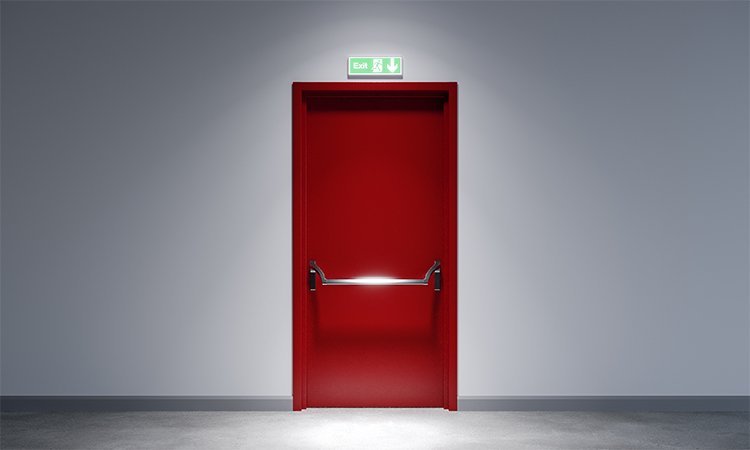
Fire safety is a fundamental aspect of building design and management, aiming to protect lives, property, and business continuity. Among the many fire protection measures available, fire doors play a crucial role in preventing the spread of fire and smoke within a building. Unlike ordinary doors, fire doors are specially designed and tested to withstand fire for a specified period, providing valuable time for occupants to evacuate safely and for firefighters to control the fire. As modern buildings become larger and more complex, the importance of fire doors has increased significantly. Their ability to compartmentalize fire, maintain escape routes, and limit structural damage makes them an indispensable component of passive fire protection systems.
What Are Fire Doors?
A fire door is a specially engineered door assembly designed to resist the passage of fire, heat, and smoke for a predetermined period, typically ranging from 30 to 120 minutes, depending on its fire-resistance rating. A complete fire door assembly includes the door leaf, frame, hinges, locks, seals, glazing (if provided), and self-closing devices. Each component is carefully tested to ensure that the entire assembly performs effectively during a fire. Fire doors are manufactured from fire-resistant materials such as steel, solid timber, gypsum cores, mineral wool, or composite materials. Their construction enables them to withstand high temperatures while maintaining structural integrity and preventing the rapid spread of flames and smoke.
The Importance of Fire Compartmentation
One of the primary purposes of fire doors is to support the principle of fire compartmentation. Modern buildings are divided into fire-resistant compartments using walls, floors, and fire doors. This design limits the spread of fire from one section of the building to another.
By containing the fire within its area of origin, fire doors help:
• Slow the spread of flames.
• Restrict the movement of toxic smoke.
• Protect escape routes.
• Reduce structural damage.
• Provide additional time for evacuation.
• Facilitate firefighting operations.
Compartmentation is particularly important in hospitals, schools, hotels, shopping centres, office buildings, residential apartments, and industrial facilities where large numbers of people may be present.
Protecting Human Life
The most important function of a fire door is the protection of human life. During a fire, smoke and toxic gases often spread much faster than flames and are responsible for many fire-related fatalities. Properly installed fire doors help prevent smoke from entering corridors, staircases, and emergency exits, allowing occupants to evacuate safely. Fire doors also provide protected escape routes for individuals with limited mobility, children, elderly occupants, and hospital patients who may require additional time to evacuate. By maintaining safe evacuation paths, fire doors significantly improve the overall effectiveness of emergency evacuation procedures. Preventing the Spread of Smoke
Smoke control is one of the most critical functions of a fire door. Dense smoke can severely reduce visibility, create panic, and expose occupants to toxic gases such as carbon monoxide. Modern fire doors are fitted with intumescent seals and smoke seals around their edges. Under normal conditions, these seals allow the door to operate normally. During a fire, intumescent seals expand when exposed to heat, sealing the gaps between the door and the frame. Smoke seals further restrict the movement of cold smoke during the early stages of a fire, helping to keep escape routes clear and improving occupant safety.
Supporting Firefighting Operations
Fire doors also assist firefighters by slowing the spread of fire and reducing the intensity of the incident. By containing the fire within a limited area, firefighters can focus their efforts more effectively and reduce the risk of fire spreading to adjacent rooms or floors. Maintaining compartmentation also improves visibility within unaffected areas of the building, allowing emergency responders to locate occupants, conduct rescue operations, and extinguish the fire more efficiently.
Fire Door Components
The effectiveness of a fire door depends on the performance of all its components working together as a complete assembly.
A typical fire door assembly includes:
• Fire-resistant door leaf.
• Fire-rated frame.
• Self-closing device.
• Fire-rated hinges.
• Intumescent seals.
• Smoke seals.
• Fire-rated glazing (where required).
• Approved locks and latches.
Removing or replacing any of these components with non-certified products may compromise the fire resistance of the entire assembly.
Fire Doors in Different Buildings
Fire doors are used in a wide range of buildings to enhance fire safety. In residential apartment buildings, they protect common corridors and staircases. Hospitals rely on fire doors to create safe zones for patients who cannot be evacuated immediately. Educational institutions use fire doors to protect classrooms and assembly areas, while hotels depend on them to safeguard guest rooms and escape routes.
Industrial facilities install fire doors to separate hazardous processes, storage areas, and production units, reducing the likelihood of fire spreading throughout the facility. Data centres, laboratories, airports, and commercial complexes also use fire doors to protect critical infrastructure and valuable assets. Inspection and Maintenance Like all fire protection systems, fire doors require regular inspection and maintenance to ensure reliable performance. Damage, improper modifications, or poor maintenance can significantly reduce their effectiveness during an emergency.
Routine inspections should verify:
• Proper self-closing operation.
• Correct alignment of the door and frame.
• Condition of hinges and hardware.
• Integrity of intumescent and smoke seals.
• Absence of excessive gaps.
• Proper functioning of locks and latches.
• No unauthorized modifications.
Building owners and facility managers should establish regular inspection schedules and promptly repair or replace damaged fire door components using approved materials.
Common Misuse of Fire Doors
Despite their importance, fire doors are often misused in everyday building operations. Common examples include wedging fire doors open for convenience, removing self-closing devices, drilling holes for cables, or replacing certified hardware with non-fire-rated components. Such practices compromise the ability of the fire door to perform during an emergency and may place occupants at significant risk. Regular awareness programmes and staff training can help ensure that fire doors are used correctly and remain fully functional at all times.
Technological Advancements in Fire Doors
Modern fire doors have benefited from significant technological improvements. Advanced composite materials have reduced door weight while maintaining excellent fire resistance. Improved intumescent seals provide better protection against smoke and heat, while fire-resistant glazing allows natural light and visibility without compromising safety. Digital technologies have also enhanced fire door management. Smart monitoring systems use sensors to detect whether fire doors are open, closed, or obstructed. These systems can send real-time alerts to building management teams, helping ensure compliance and reducing the risk of compromised fire safety. In addition, manufacturers are developing environmentally sustainable fire doors using recyclable materials and low-emission production processes, supporting green building initiatives without sacrificing performance.
Compliance with Fire Safety Regulations
Building regulations and fire safety codes in many countries require the installation of certified fire doors in specific locations, including escape routes, stairwells, service shafts, and fire compartment walls. Compliance with these regulations is essential for ensuring occupant safety and protecting property. Certified fire doors undergo rigorous fire-resistance testing to verify their performance under controlled conditions. Building owners should ensure that fire doors are installed by qualified professionals and maintained according to applicable standards and manufacturers’ recommendations.
Conclusion
Fire doors are one of the most effective passive fire protection measures available in modern buildings. By containing fire and smoke, protecting escape routes, supporting firefighting operations, and preserving the structural integrity of buildings, they play a vital role in safeguarding lives and property. Their effectiveness depends not only on proper design and installation but also on regular inspection, maintenance, and responsible use. As building designs continue to evolve and fire safety standards become more stringent, fire doors will remain an indispensable element of comprehensive fire protection strategies. Investing in high-quality, certified fire doors is not merely a regulatory requirement but a commitment to creating safer buildings and more resilient communities.