
Fire Safety, First-Aid and Rescue Products
Protecting Lives Through Innovation, Readiness and Rapid Response

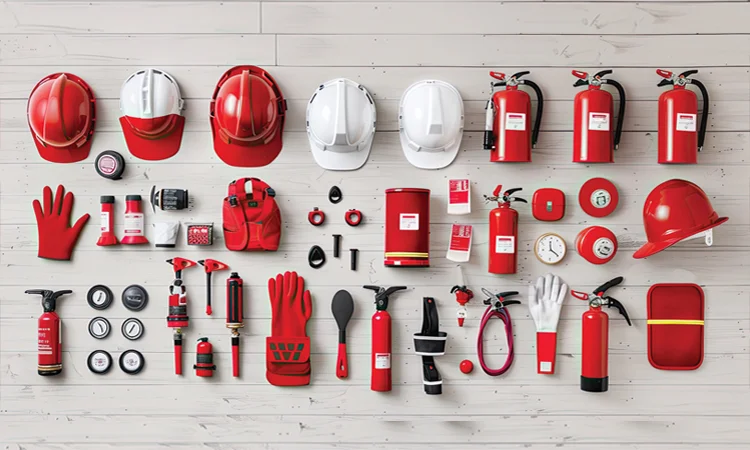
Fire safety and emergency preparedness are critical components of industrial safety, infrastructure management and public protection. As industrial facilities become larger, manufacturing processes more complex and urban infrastructure increasingly dense, the risks associated with fire, accidents, hazardous material exposure and other emergencies have grown considerably. Effective protection requires more than fire prevention systems alone. It calls for an integrated range of fire safety equipment, first-aid products and rescue solutions that can help prevent incidents, minimise injuries and enable swift, coordinated emergency response.
From fire extinguishers and protective clothing to automated emergency response systems, trauma-care kits and specialised rescue tools, these products play an essential role in protecting workers, emergency responders and the public. Continuous technological advancement is further enhancing their effectiveness, reliability and ease of deployment.
Fire Safety Products: The First Line of Defence
Fire safety products form the foundation of any comprehensive emergency management programme. Their purpose is to detect a fire at its earliest stage, alert occupants, contain the spread of flames and smoke, and facilitate safe evacuation.
Portable fire extinguishers remain among the most widely used fire protection products across factories, warehouses, offices, commercial buildings and residential premises. Available in water, foam, dry chemical powder, carbon dioxide and other specialised formulations, they are designed to tackle different classes of fire. Selecting the correct extinguisher is essential, as an unsuitable extinguishing agent can worsen a situation or expose users to additional hazards. For instance, energised electrical equipment requires extinguishing agents appropriate for electrical hazards, while combustible-metal fires demand specialised extinguishing media.
Automatic fire detection and alarm systems have become increasingly sophisticated. Smoke detectors, heat sensors, flame detectors and multi-sensor devices can identify signs of combustion and initiate alarms before a fire develops into a major incident. Addressable fire alarm systems help identify the precise location of an activated detector, enabling emergency teams to respond more efficiently.
Fixed fire suppression systems provide another layer of protection, particularly in industrial plants, data centres, electrical installations, chemical storage areas and critical infrastructure. Depending on the application, these systems may use water sprinklers, water mist, foam, inert gases or other specialised agents. Their selection must account for the nature of the hazard, the value of the protected assets, environmental considerations and applicable safety requirements.
Fire hydrants, hose reels, fire hoses, nozzles, monitors and firefighting pumps are equally important, especially in large industrial establishments. Reliable water supply, adequate pressure, strategically located hydrants and well-maintained hose assemblies can significantly improve firefighting effectiveness. Emergency lighting, illuminated exit signs, evacuation equipment and smoke-control systems further support safe escape during an emergency.
Personal Protective Equipment for Fire and Emergency Response
Firefighters and industrial emergency response teams require specialised personal protective equipment (PPE) to operate in hazardous environments. Fire-resistant clothing, helmets, gloves, protective footwear, eye protection and suitable respiratory equipment help reduce exposure to heat, flames, smoke and other workplace hazards.
Modern firefighting suits increasingly incorporate advanced heat-resistant fabrics, improved insulation and ergonomic designs. These features seek to balance thermal protection with mobility, comfort and reduced physiological stress. Helmets with integrated visors, communication accessories and improved impact protection can further enhance responder safety.
Self-contained breathing apparatus (SCBA) is essential when personnel must enter smoke-filled or oxygen-deficient environments. By supplying breathable air independently of the surrounding atmosphere, SCBA enables trained responders to work in conditions where ordinary respiratory protection is inadequate. Gas detectors and atmospheric monitoring instruments can help identify oxygen deficiency, toxic gases and combustible vapours before and during rescue operations.
The selection of PPE must be based on a proper risk assessment, applicable standards, compatibility between equipment components and the anticipated emergency conditions. Equally important are inspection, maintenance, fit testing where applicable, user training and timely replacement of damaged or expired equipment.
First-Aid Products: Immediate Care Can Save Lives
First-aid products bridge the critical interval between an accident and the arrival of professional medical assistance. In factories, construction sites, warehouses, transport facilities and public buildings, accessible and appropriately stocked first-aid facilities can help control bleeding, stabilise injuries and reduce the risk of complications.
A well-equipped first-aid kit typically contains sterile dressings, gauze pads, adhesive bandages, medical tape, antiseptic products appropriate for first aid, disposable gloves, scissors, tweezers and other basic supplies. Industrial first-aid kits may require additional provisions based on the hazards present, including eye-wash supplies, burn dressings and materials for managing particular workplace injuries.
Emergency eye-wash stations and safety showers are particularly important in chemical handling, metal finishing, battery manufacturing, laboratories and other operations involving corrosive or hazardous substances. Prompt flushing with suitable water or the recommended decontamination medium can reduce the severity of exposure. These facilities must be readily accessible, clearly marked and regularly inspected.
Automated external defibrillators (AEDs) have also become valuable components of emergency preparedness. These portable devices assess certain life-threatening cardiac rhythms and, when indicated, deliver an electrical shock to help restore an effective rhythm. Their availability, supported by appropriate training and an established emergency response procedure, can improve preparedness for sudden cardiac arrest.
Other useful products include splints, stretchers, emergency blankets, resuscitation masks, first-aid cabinets and trauma-care supplies. In workplaces with specialised risks, emergency kits should be designed around likely injury scenarios rather than simply following a generic checklist.
First-aid products, however, are only part of the solution. Personnel must be trained to recognise emergencies, summon medical assistance and provide care within their level of competence. For serious injuries, severe burns, suspected spinal trauma or major chemical exposure, immediate professional medical assistance is essential.
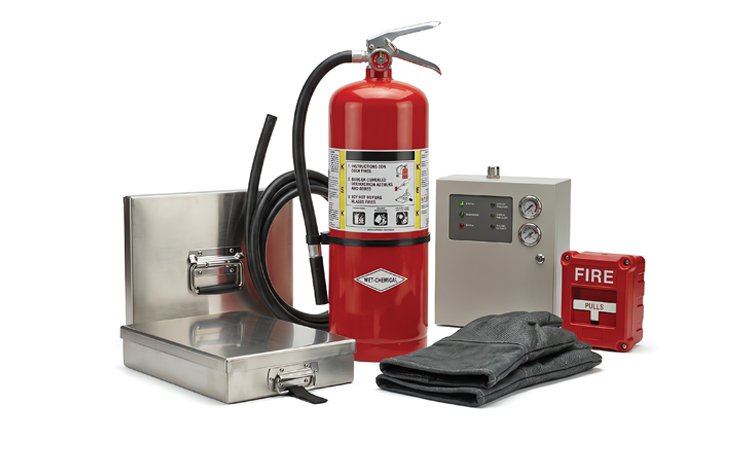
Rescue Products: Enabling Safe Extraction and Evacuation
Rescue operations often involve confined spaces, elevated work areas, collapsed structures, industrial machinery, difficult terrain or environments contaminated by hazardous substances. Specialised rescue products enable trained personnel to reach affected individuals, stabilise them and move them to a safer location.
Stretchers and evacuation chairs are widely used to transport injured or mobility-impaired individuals. Basket stretchers, folding stretchers and specialised patient-handling systems serve different operational requirements. In multi-storey buildings, evacuation chairs can assist trained operators in moving individuals down staircases when lifts cannot be used during an emergency.
For work at height and confined-space operations, rescue tripods, winches, harnesses, lifelines, anchor systems and retrieval devices provide essential support. These products are designed to facilitate controlled access, lifting and extraction while reducing risks to both casualties and rescuers. Equipment selection must reflect the rescue plan, load requirements, site geometry and relevant standards.
Hydraulic cutters, spreaders, lifting bags and other forcible-entry tools are used by specialised teams during vehicle extrication, structural emergencies and industrial rescue operations. Thermal imaging cameras can help responders identify heat signatures, locate potential fire sources and search for people in smoke-obscured environments, subject to the limitations of the equipment and operating conditions.
Gas detectors, portable ventilation equipment, communication devices and emergency lighting further support rescue teams working in restricted or low-visibility environments. For chemical incidents, appropriate chemical-resistant suits, protective gloves, respiratory equipment and decontamination facilities are essential to prevent secondary exposure.
Importantly, rescue equipment must be operated by trained personnel following established procedures. Improvised rescue attempts, particularly in confined spaces or atmospheres that may be oxygen-deficient or toxic, can lead to additional casualties.
Smart Technologies Transforming Emergency Response
Digitalisation is creating new opportunities to improve fire safety and emergency preparedness. Connected detectors, intelligent alarm panels and building management systems can provide real-time information about developing incidents. Integration with access-control systems, public-address networks and emergency control rooms can help coordinate evacuation and response.
Artificial intelligence and data analytics are increasingly being explored for video-based fire and smoke detection, risk assessment and predictive maintenance. Connected monitoring systems can identify faults, track equipment status and alert facility managers when inspections or servicing are due. Digital inspection records and equipment identification technologies can also improve traceability and compliance management.
Wearable sensors and communication systems may help monitor firefighters’ location and physiological conditions during operations. Meanwhile, drones equipped with thermal cameras can support preliminary assessment of large industrial sites, inaccessible locations and hazardous areas without immediately exposing personnel to danger.
These technologies complement rather than replace conventional safeguards, competent personnel and regular emergency drills. Their effectiveness depends on system reliability, appropriate integration, cybersecurity and the quality of training.
Building a Culture of Preparedness
The effectiveness of fire safety, first-aid and rescue products ultimately depends on their correct selection, installation, accessibility, maintenance and use. Organisations should conduct periodic hazard assessments, establish emergency response plans, train designated personnel and undertake realistic evacuation and rescue drills.
Equipment must be inspected at prescribed intervals, serviced according to manufacturer recommendations and replaced when damaged, obsolete or no longer fit for purpose. Procurement decisions should consider recognised standards, product certification, suitability for the intended hazard, availability of spare parts and after-sales support.
For Indian industries, compliance with applicable fire safety requirements, occupational safety legislation, relevant Bureau of Indian Standards specifications and local fire authority requirements is essential. Emergency arrangements should also reflect the specific risks of each facility rather than relying on a one-size-fits-all approach.
The way forward lies in combining reliable equipment, intelligent technologies and trained emergency personnel into a coordinated safety framework. Fire safety systems help prevent emergencies from escalating, first-aid products support immediate care, and rescue equipment enables the safe recovery of people in danger. Together, these solutions strengthen organisational resilience, protect human life and contribute to safer industrial workplaces and public environments.