

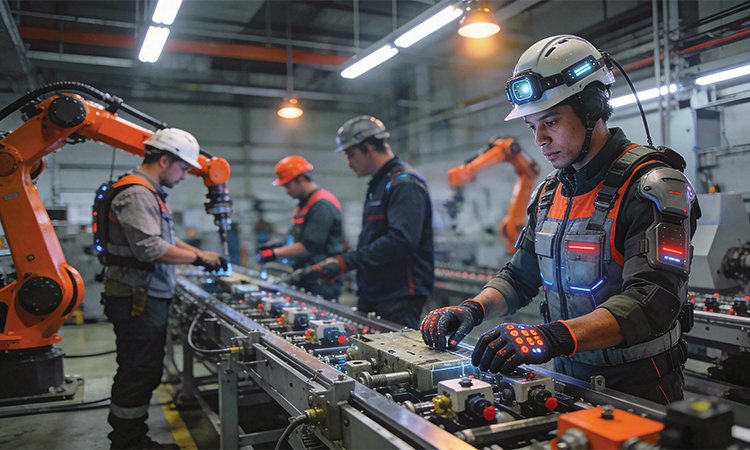
Personal Protective Equipment (PPE) has long been regarded as the last line of defense against workplace hazards. From hard hats and safety shoes to respiratory masks and protective clothing, PPE plays a critical role in safeguarding workers across manufacturing, construction, mining, oil & gas, chemical processing, and other industrial sectors. However, the concept of PPE has evolved significantly over the years. No longer confined to basic protection, modern PPE is becoming smarter, lighter, more comfortable, and increasingly connected.
Driven by advancements in materials science, wearable technology, artificial intelligence, and the Industrial Internet of Things (IIoT), the latest generation of PPE is helping organizations move from reactive safety management to proactive risk prevention. As industries strive to create safer workplaces while enhancing productivity, innovations in PPE are becoming indispensable.
The Shift from Passive to Active Protection
Traditional PPE serves a passive role by shielding workers from hazards once exposure occurs. Today’s innovations are transforming PPE into an active safety tool capable of monitoring environmental conditions, worker health, and potential risks in real time. Smart helmets, for example, now incorporate sensors, cameras, communication systems, and location-tracking devices. These helmets can detect impacts, monitor worker movements, and provide instant alerts in the event of an accident. Some advanced models integrate augmented reality (AR) displays, allowing workers to access instructions, maintenance data, and safety procedures without taking their eyes off the task at hand. This shift from passive protection to active prevention is revolutionizing workplace safety strategies across industries.
Advanced Materials Deliver Superior Protection
Material innovation lies at the heart of modern PPE development. Manufacturers are increasingly utilizing advanced fibers, nanomaterials, and composite structures to improve protection while reducing weight and discomfort. High-performance materials such as aramid fibers, ultra-high-molecular-weight polyethylene (UHMWPE), and engineered composites offer exceptional resistance to cuts, punctures, abrasion, and heat. These materials enable the production of lighter gloves, helmets, and protective garments without compromising safety. Nanotechnology is also making significant contributions. Nano-coated fabrics can provide enhanced chemical resistance, flame retardancy, and antimicrobial properties. Some protective clothing now incorporates self-cleaning surfaces that repel contaminants, reducing maintenance requirements and extending garment life. For workers operating in high-temperature environments, innovative fabrics with superior thermal insulation and moisture management capabilities help prevent heat stress while maintaining comfort throughout extended shifts.
Smart Wearables Enhance Worker Safety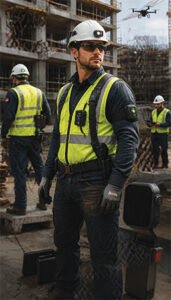
Wearable technology is emerging as one of the most exciting developments in the PPE sector. Smart vests, wristbands, and wearable sensors are capable of continuously monitoring worker health and environmental conditions. These devices can track vital signs such as heart rate, body temperature, fatigue levels, and oxygen saturation. When abnormal conditions are detected, alerts can be transmitted instantly to supervisors or safety personnel, enabling timely intervention. In industries where workers operate in confined spaces or hazardous environments, wearable gas detectors provide continuous monitoring of toxic gases and oxygen levels. Real-time alerts help workers evacuate dangerous areas before conditions become life-threatening. Some wearable systems also incorporate fall detection capabilities. Upon sensing a fall or sudden impact, the system automatically notifies emergency responders, significantly reducing response times during critical incidents.
Next-Generation Respiratory Protection
Respiratory protection has received renewed attention in recent years due to growing awareness of airborne contaminants and occupational health risks. Innovations in respiratory PPE are focused on improving both filtration efficiency and user comfort. Powered Air-Purifying Respirators (PAPRs) are becoming increasingly popular in industrial applications. These systems use battery-powered fans to deliver filtered air to the wearer, reducing breathing resistance and enhancing comfort during prolonged use. Advanced filter technologies now offer improved protection against fine particulates, chemical vapors, and biological hazards. At the same time, ergonomic designs and lightweight materials help reduce user fatigue. Manufacturers are also developing smart respirators equipped with sensors that monitor filter performance, air quality, and wearer breathing patterns. Such systems can alert users when filters require replacement or when environmental conditions become hazardous.
Intelligent Eye and Face Protection
Eye injuries remain a significant workplace concern across many industries. To address this challenge, manufacturers are introducing intelligent eye and face protection solutions. Modern safety eyewear incorporates anti-fog, anti-scratch, and anti-glare coatings that improve visibility in demanding environments. Photochromic lenses automatically adjust to changing light conditions, enhancing worker comfort and reducing eye strain. Some advanced face shields now feature heads-up displays that provide real-time operational information while maintaining full protection. These systems are particularly valuable in maintenance, inspection, and process industries where workers need immediate access to technical data. Augmented reality-enabled safety glasses are also gaining traction. By overlaying digital information onto the user’s field of vision, they can assist with equipment maintenance, training, and troubleshooting while minimizing distractions.
Connected PPE and the Industrial Internet of Things
One of the most transformative trends in PPE innovation is the integration of connected technologies. Through IIoT-enabled devices, PPE can become part of a broader workplace safety ecosystem. Connected PPE generates valuable data on worker location, environmental conditions, equipment status, and safety compliance. This information can be transmitted to centralized monitoring systems, enabling organizations to gain real-time visibility into workplace risks. For example, smart helmets equipped with GPS and proximity sensors can help prevent collisions between workers and moving machinery. Similarly, connected safety vests can alert vehicle operators when pedestrians enter restricted zones. Data collected from connected PPE can also support predictive safety initiatives by identifying patterns and trends that may indicate emerging risks before incidents occur.
Enhancing Comfort and Ergonomics
Worker acceptance remains a critical factor in PPE effectiveness. Even the most advanced protective equipment offers limited value if workers find it uncomfortable and fail to wear it consistently. Recognizing this challenge, manufacturers are placing greater emphasis on ergonomics and user-centric design. Lightweight materials, improved ventilation systems, adjustable fittings, and moisture-wicking fabrics are becoming standard features in modern PPE. Safety footwear, for instance, has undergone a remarkable transformation. Today’s designs combine robust protection with athletic-shoe comfort, reducing fatigue during long work shifts. Composite toe caps and lightweight sole materials provide protection without the weight associated with traditional steel-toe footwear. Similarly, modern protective gloves offer enhanced dexterity and tactile sensitivity, enabling workers to perform precision tasks without sacrificing safety.
Sustainability in PPE Manufacturing
Environmental sustainability is becoming an increasingly important consideration in PPE development. Manufacturers are exploring eco-friendly materials, recyclable components, and sustainable production methods to reduce environmental impact. Reusable PPE solutions are gaining popularity as organizations seek to minimize waste generated by disposable products. Some manufacturers are incorporating recycled materials into safety footwear, helmets, and protective clothing while maintaining rigorous safety standards. Circular economy principles are also influencing product design, encouraging longer service life, repairability, and end-of-life recycling programs. As environmental regulations tighten and sustainability goals become more ambitious, eco-conscious PPE solutions are expected to gain further momentum.
The Role of Artificial Intelligence
Artificial Intelligence is adding a new dimension to PPE innovation. AI-powered systems can analyze data collected from wearable devices and connected PPE to identify risk patterns, predict incidents, and recommend preventive actions. Computer vision technologies integrated into smart helmets and wearable cameras can monitor worker behavior, identify unsafe practices, and detect compliance violations in real time. AI-driven analytics can also support fatigue management programs by analyzing biometric data and identifying workers at risk of reduced alertness. Such capabilities enable organizations to take proactive measures before accidents occur. As AI technologies continue to mature, their integration with PPE is expected to significantly enhance workplace safety outcomes.
Looking Ahead
The future of Personal Protective Equipment extends far beyond physical protection. PPE is evolving into an intelligent safety platform capable of monitoring, communicating, predicting, and preventing workplace hazards. Advancements in smart wearables, connected devices, advanced materials, augmented reality, and artificial intelligence are transforming how organizations approach worker safety. These innovations not only reduce the likelihood of accidents and injuries but also improve productivity, compliance, and operational efficiency.
For industries navigating increasingly complex work environments, investing in next-generation PPE is becoming a strategic imperative. As technology continues to advance, the boundary between personal protection and intelligent safety management will continue to blur, ushering in a new era where PPE serves not merely as protective gear but as a critical component of the connected workplace.