
OSH India 2026: The Changing Priorities of Industry and the Growing Importance of Protecting Its People

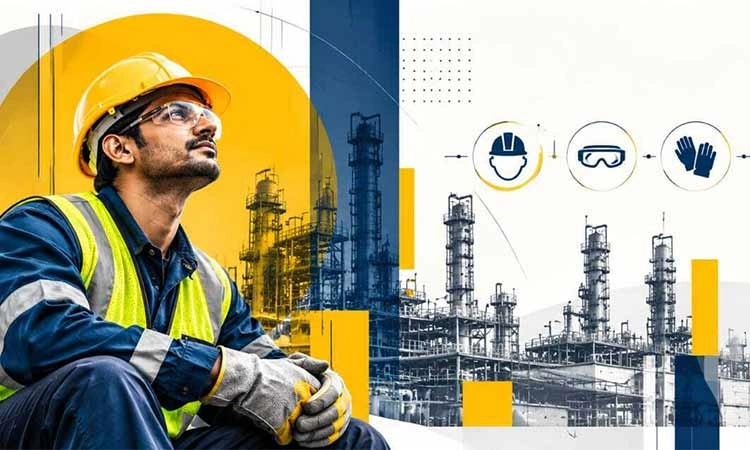
Not long ago, a manufacturing worker’s safety was mostly dependent on his own common sense. Machines became faster, factories expanded, and productivity increased, while protective equipment, formal training, and workplace health lagged far behind. Injury was dismissed as the cost of industrial labour, and occupational sickness could remain hidden for years. Eventually, the human cost of growth became too high to ignore.
What turned the tide was nothing like a single event but decades of pressure, legislation, research, and collaborative action. Governments enacted workplace rules. Labor organizations advocated for safer working conditions. Engineers began incorporating protection into machinery and plant design. Employers realized that a warning board and a page of instructions were never enough. Occupational health and safety gradually evolved into an independent profession, backed by institutions, standards, training, and specialized knowledge.
The numbers demonstrate why this is important. About 3 million workers lose their lives each year as a result of workplace accidents and diseases, with an additional 395 million suffering non fatal injuries. Behind such figures lies an uncomfortable truth: workplace danger rarely manifests itself as a single dramatic occurrence. Chemicals, dust, excessive heat, noise, hazardous machinery, repeated strain, and unsafe circumstances can all have a long term impact on a person’s health.
Article by: https://synthesisindia.in/