

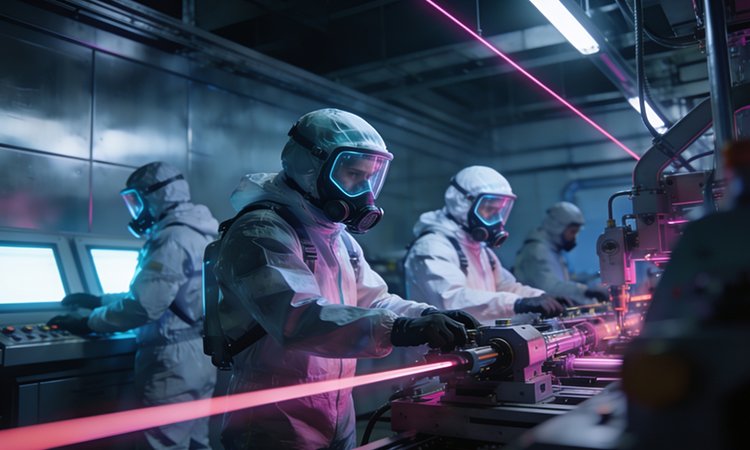
Industrial environments often expose workers to airborne hazards that can adversely affect their health and safety. Dust, fumes, mists, smoke, gases, vapours, and biological contaminants are common in industries such as manufacturing, mining, construction, chemical processing, pharmaceuticals, oil and gas, and metal fabrication. Prolonged exposure to these contaminants can lead to serious respiratory illnesses, occupational diseases, and long-term health complications. Respiratory protection is therefore a critical component of workplace safety, complementing engineering controls and safe work practices. Modern respiratory protection programmes combine advanced respiratory protective equipment (RPE), hazard assessment, worker training, and regulatory compliance to minimize occupational exposure. By ensuring that workers breathe clean air, industries can safeguard employee health, improve productivity, and promote a strong culture of safety.
Understanding Respiratory Hazards
Respiratory hazards are airborne substances that can enter the body through inhalation and cause immediate or long-term health effects. The nature and severity of these hazards vary depending on the industry and the type of work performed.
Common respiratory hazards include:
• Dust generated during construction, mining, and woodworking.
• Welding fumes containing metal particles.
• Chemical vapours from solvents and paints.
• Toxic gases such as carbon monoxide, hydrogen sulphide, and chlorine.
• Mists produced during spraying and machining operations.
• Biological agents including bacteria, fungi, and viruses.
• Fibres such as asbestos and other hazardous particulates.
Exposure to these contaminants may cause irritation of the respiratory tract, allergic reactions, occupational asthma, chronic obstructive pulmonary disease (COPD), silicosis, asbestosis, lung cancer, and other serious illnesses.
The Importance of Respiratory Protection
The primary objective of respiratory protection is to prevent workers from inhaling hazardous airborne contaminants. While eliminating or reducing hazards through engineering controls is the preferred approach, respiratory protective equipment becomes essential when such controls cannot adequately reduce exposure.
• Respiratory protection helps to:
• Prevent occupational lung diseases.
• Protect workers during emergency situations.
• Reduce exposure to toxic chemicals.
• Improve worker confidence and morale.
• Ensure compliance with occupational safety regulations.
• Minimize lost workdays due to illness.
• Enhance overall workplace safety.
A well-designed respiratory protection programme is particularly important in industries where airborne hazards cannot be completely eliminated.
Types of Respiratory Protective Equipment
Respiratory protective equipment is selected based on the type of hazard, concentration of contaminants, and work environment.
Air-Purifying Respirators
Air-purifying respirators remove contaminants from the surrounding air before it is inhaled. These respirators use filters, cartridges, or canisters designed to capture specific particles or absorb harmful gases and vapours.
Common types include:
• Disposable filtering facepiece respirators.
• Half-face respirators.
• Full-face respirators.
• Powered Air-Purifying Respirators (PAPRs).
These respirators are suitable only where sufficient oxygen is present and the airborne contaminants are within the protection capability of the selected filters.
Atmosphere-Supplying Respirators
Atmosphere-supplying respirators provide clean breathing air from an independent source and are used in oxygen-deficient or highly contaminated environments.
Examples include:
• Supplied-air respirators (SARs).
• Self-Contained Breathing Apparatus (SCBA).
SCBA units are widely used by firefighters, emergency responders, and workers entering confined spaces or hazardous chemical environments because they provide complete respiratory protection independent of the surrounding atmosphere.
Selection of Appropriate Respiratory Protection
Choosing the correct respirator requires a thorough assessment of workplace hazards. Factors that influence respirator selection include:
• Type of airborne contaminant.
• Concentration of hazardous substances.
• Oxygen availability.
• Duration of exposure.
• Nature of work performed.
• Worker health and medical fitness.
• Compatibility with other personal protective equipment.
Employers should conduct workplace exposure assessments and ensure that selected respirators provide an adequate level of protection for the identified hazards.
Fit Testing and User Seal Checks
Even the most advanced respirator cannot provide effective protection if it does not fit properly. Fit testing ensures that tight-fitting respirators form an effective seal against the user’s face.
There are two primary methods of fit testing:
• Qualitative fit testing.
• Quantitative fit testing.
Workers should also perform a user seal check each time they wear a respirator to confirm that no air leaks are present. Facial hair, damaged face seals, or improper adjustments can significantly reduce the effectivenessf respiratory protection.
Maintenance and Inspection
Proper maintenance is essential for ensuring reliable respirator performance. Reusable respirators should be cleaned, disinfected, inspected, and stored according to the manufacturer’s recommendations.
Routine inspection should include checking:
• Facepiece condition.
• Head straps.
• Valves.
• Filters and cartridges.
• Exhalation valves.
• Air supply hoses.
• Cylinder pressure for SCBA units.
Damaged or expired components should be replaced immediately to maintain protection.
Training and Worker Awareness
An effective respiratory protection programme depends on comprehensive worker training. Employees should understand the hazards they may encounter and the correct use of respiratory protective equipment.
Training should include:
• Recognition of respiratory hazards.
• Proper respirator selection.
• Correct donning and doffing procedures.
• Fit checking techniques.
• Cleaning and maintenance.
• Limitations of respiratory equipment.
• Emergency procedures.
Regular refresher training reinforces safe practices and ensures continued compliance with workplace safety requirements.
Respiratory Protection in Different Industries
Different industries require specialized respiratory protection based on their unique hazards. Construction workers may require protection against silica dust generated during cutting, drilling, and demolition activities. Miners use respirators to guard against coal dust and other airborne particulates. Chemical processing facilities rely on respirators to protect workers from hazardous gases and vapours. Healthcare professionals use respirators to reduce exposure to infectious airborne pathogens, while welders require protection against metal fumes generated during welding operations. Emergency responders, firefighters, and confined space workers frequently depend on self-contained breathing apparatus to operate safely in oxygen-deficient or toxic atmospheres.
Technological Advancements in Respiratory Protection
Recent innovations have significantly improved the performance, comfort, and usability of respiratory protective equipment. Lightweight materials, ergonomic designs, and advanced filtration technologies have reduced breathing resistance while enhancing wearer comfort.
Powered Air-Purifying Respirators now feature longer battery life, quieter operation, and improved airflow. Smart respirators equipped with electronic sensors can monitor filter condition, breathing patterns, and environmental air quality in real time. Some systems also provide wireless connectivity, enabling safety managers to monitor worker exposure remotely and receive alerts when maintenance or filter replacement is required. Research continues into nanofibre filter media, which offer higher filtration efficiency with lower breathing resistance, improving both protection and comfort.
Challenges in Respiratory Protection
Despite technological progress, several challenges remain in implementing effective respiratory protection programmes. Workers may experience discomfort during extended respirator use, leading to inconsistent compliance. Improper fit, inadequate maintenance, incorrect filter selection, and insufficient training can reduce the effectiveness of respiratory protection.
Organizations should address these challenges by selecting suitable equipment, providing regular training, conducting periodic fit testing, and encouraging worker participation in respiratory safety programmes. Continuous evaluation and improvement help ensure that respiratory protection remains effective and practical.
Conclusion
Respiratory protection is a vital element of occupational health and safety in industrial environments where airborne hazards pose significant risks to workers. By combining hazard assessment, appropriate respiratory protective equipment, fit testing, maintenance, and comprehensive training, organizations can effectively reduce exposure to harmful contaminants and prevent occupational respiratory diseases. Advances in filtration technology, smart respirators, and ergonomic design have further enhanced the effectiveness and comfort of respiratory protective equipment. As industries continue to evolve and workplace hazards become more complex, maintaining robust respiratory protection programmes will remain essential for safeguarding worker health, ensuring regulatory compliance, and fostering a safe and productive work environment.