

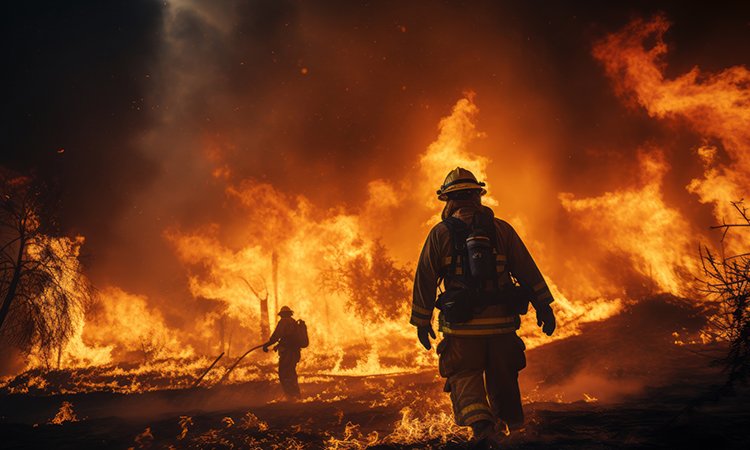
Fire suppression systems are a critical component of modern safety infrastructure, protecting lives, property, and valuable assets from the devastating effects of fire. As buildings become smarter, industries grow more complex, and environmental concerns gain importance, fire suppression technologies have evolved significantly. Traditional sprinkler systems, while still highly effective, are now complemented by innovative suppression methods that offer faster response times, greater efficiency, and reduced environmental impact. Recent developments in fire suppression systems focus on advanced detection technologies, eco-friendly extinguishing agents, automation, and intelligent monitoring. These innovations are transforming the way fires are detected, controlled, and extinguished across residential, commercial, industrial, and specialized facilities.
Evolution of Fire Suppression Systems
Fire suppression systems have progressed from basic manual firefighting methods to highly automated and intelligent systems. Conventional systems relied primarily on water sprinklers and portable extinguishers. Although effective in many situations, these methods sometimes caused water damage or proved unsuitable for electrical equipment, data centers, or chemical storage facilities. Modern fire suppression systems are designed to detect fires at the earliest stage and activate the most appropriate suppression method. This evolution has been driven by advancements in sensor technology, digital communication, artificial intelligence, and environmental regulations aimed at reducing harmful emissions from fire suppression agents.
Smart Fire Detection and Monitoring
One of the most significant developments in fire suppression technology is the integration of smart detection systems. Advanced smoke, heat, and flame detectors now utilize multiple sensing technologies to improve accuracy and reduce false alarms. Multi-criteria detectors combine heat, smoke, carbon monoxide, and optical sensors to identify fire conditions more reliably.
The Internet of Things (IoT) has further enhanced fire monitoring capabilities. Connected sensors continuously transmit data to centralized monitoring systems, allowing facility managers to monitor fire safety remotely through computers or mobile applications. These systems provide real-time alerts, enabling rapid emergency response and minimizing damage. Artificial intelligence (AI) also plays an increasingly important role by analyzing sensor data, recognizing fire patterns, and predicting potential hazards before a fire becomes uncontrollable. Predictive maintenance algorithms help identify faulty equipment and ensure suppression systems remain fully operational.
Water Mist Fire Suppression Systems
Water mist technology represents a major advancement over traditional sprinkler systems. Instead of releasing large volumes of water, these systems produce fine water droplets that absorb heat quickly, reduce oxygen levels around the fire, and cool surrounding surfaces.
Water mist systems offer several advantages:
• Significantly lower water consumption.
• Reduced water damage to equipment and buildings.
• Effective suppression of Class A, Class B, and certain electrical fires.
• Improved safety for occupied spaces.
These systems are increasingly used in hospitals, museums, hotels, marine vessels, tunnels, power plants, and heritage buildings where water damage must be minimized.
Clean Agent Fire Suppression Systems
Modern clean agent suppression systems are specifically designed for environments containing sensitive electronic equipment. These systems discharge gaseous extinguishing agents that suppress fire without leaving residue or damaging valuable assets.
New-generation clean agents provide several benefits:
• Rapid fire suppression within seconds.
• No cleanup after discharge.
• Safe for electronic equipment.
• Minimal interruption to business operations.
• Lower environmental impact compared to older halon-based systems.
Common applications include data centers, telecommunications facilities, control rooms, laboratories, archives, and financial institutions.
Environmentally Friendly Suppression Agents
Growing environmental awareness has accelerated the development of sustainable fire suppression agents. Earlier agents such as halons were phased out because they depleted the ozone layer and contributed to global warming.
Today’s environmentally friendly suppression agents have:
• Zero ozone depletion potential.
• Low global warming potential.
• Short atmospheric lifetime.
• High fire extinguishing efficiency.
• Compliance with international environmental regulations.
Manufacturers continue to develop biodegradable and non-toxic suppression chemicals that balance fire protection with environmental responsibility.
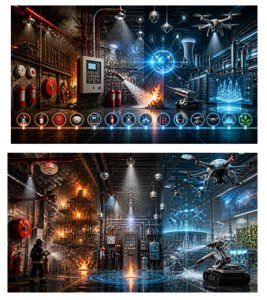
Hybrid Fire Suppression Systems
Hybrid fire suppression systems combine multiple extinguishing technologies to improve overall effectiveness. These systems typically integrate water mist with inert gases or other suppression agents to provide faster cooling and oxygen reduction.
Hybrid systems offer several advantages:
• Enhanced suppression performance.
• Lower water usage.
• Reduced risk of re-ignition.
• Greater flexibility for different fire hazards.
• Improved protection for complex industrial environments.
Industries such as energy production, manufacturing, aviation, and transportation increasingly adopt hybrid systems due to their versatility.
Robotics and Automation in Fire Suppression
Automation has become a key feature of modern fire protection systems. Robotic firefighting technologies are now capable of operating in hazardous environments where human firefighters face significant risks.
Firefighting robots can:
• Detect fires using thermal imaging cameras.
• Navigate dangerous environments autonomously.
• Apply water, foam, or suppression agents accurately.
• Monitor hazardous gases.
• Operate continuously under extreme conditions.
Industrial facilities, chemical plants, oil refineries, and nuclear installations are increasingly deploying robotic systems to enhance firefighter safety and improve emergency response.
Artificial Intelligence and Predictive Fire Protection
Artificial intelligence has expanded beyond fire detection to predictive fire risk assessment. AI systems analyze historical incident data, equipment performance, occupancy patterns, and environmental conditions to identify areas with elevated fire risk. Machine learning algorithms continuously improve detection accuracy by distinguishing genuine fire events from non-fire situations such as dust, steam, or cooking fumes. This reduces unnecessary evacuations and improves confidence in automated fire protection systems. Predictive analytics also assists maintenance teams by identifying components likely to fail before system performance is compromised.
Integration with Smart Buildings
Modern fire suppression systems are increasingly integrated with Building Management Systems (BMS). During a fire emergency, various building systems automatically coordinate their responses.
Integrated systems can:
• Shut down heating and ventilation systems.
• Activate smoke control systems.
• Unlock emergency exits.
• Guide occupants using intelligent evacuation systems.
• Notify emergency responders instantly.
• Monitor suppression system performance in real time.
This coordinated response significantly improves occupant safety while reducing fire spread and property damage.
Applications in High-Risk Industries
New fire suppression technologies are particularly valuable in industries where fire risks are complex and costly. Data centers rely on clean agent systems to protect servers without damaging sensitive electronics. Manufacturing plants use specialized foam and hybrid systems to suppress flammable liquid fires. Oil and gas facilities employ advanced detection systems and high-expansion foam technologies to control hydrocarbon fires. Hospitals, airports, transportation hubs, and renewable energy installations also benefit from customized suppression solutions designed to address their unique operational hazards.
Future Trends in Fire Suppression
The future of fire suppression systems will likely involve even greater automation and intelligence. Emerging technologies include drone-assisted fire monitoring, wireless sensor networks, digital twins for fire safety planning, cloud-based monitoring platforms, and AI-driven emergency decision support systems. Researchers are also developing nanotechnology-based extinguishing materials, advanced aerosol suppression systems, and self-healing fire protection equipment capable of maintaining functionality even after partial damage. As climate change increases wildfire risks and urban infrastructure becomes more interconnected, fire suppression systems will continue to evolve to meet new safety challenges.
Conclusion
Fire suppression systems have undergone remarkable transformation through technological innovation and environmental awareness. Smart sensors, artificial intelligence, water mist technology, clean agents, hybrid suppression methods, robotics, and integrated building management systems have greatly enhanced fire safety across numerous sectors. These advancements provide faster detection, more efficient fire control, reduced environmental impact, and improved protection for both people and property. As research and development continue, future fire suppression systems will become even more intelligent, sustainable, and reliable, playing a vital role in safeguarding modern infrastructure and supporting resilient communities.